
You think the display is just window dressing.
Most budget punters stare at the screen and assume the numbers tell the whole story. They do not. A wrong read on the number format casino display AUD can turn a tidy session into a fast bleed before you even press spin. I have watched players misread balances, confuse credits with cash, and walk away lighter because the screen lied by omission. You are not stupid. The setup is just slippery.
We were talking about exactly this over flat whites at a café off the M4, two blokes in hoodies watching the footy crawl across the telly behind the counter. One mate laughed and said he once thought a hundred credits meant a hundred bucks until the cashier told him otherwise. The other nodded and said he still checks the payout line twice before he bets, same as he checks the price on a slab at the bottle-o. That is the иной habit you want.
The screen is not your bank statement
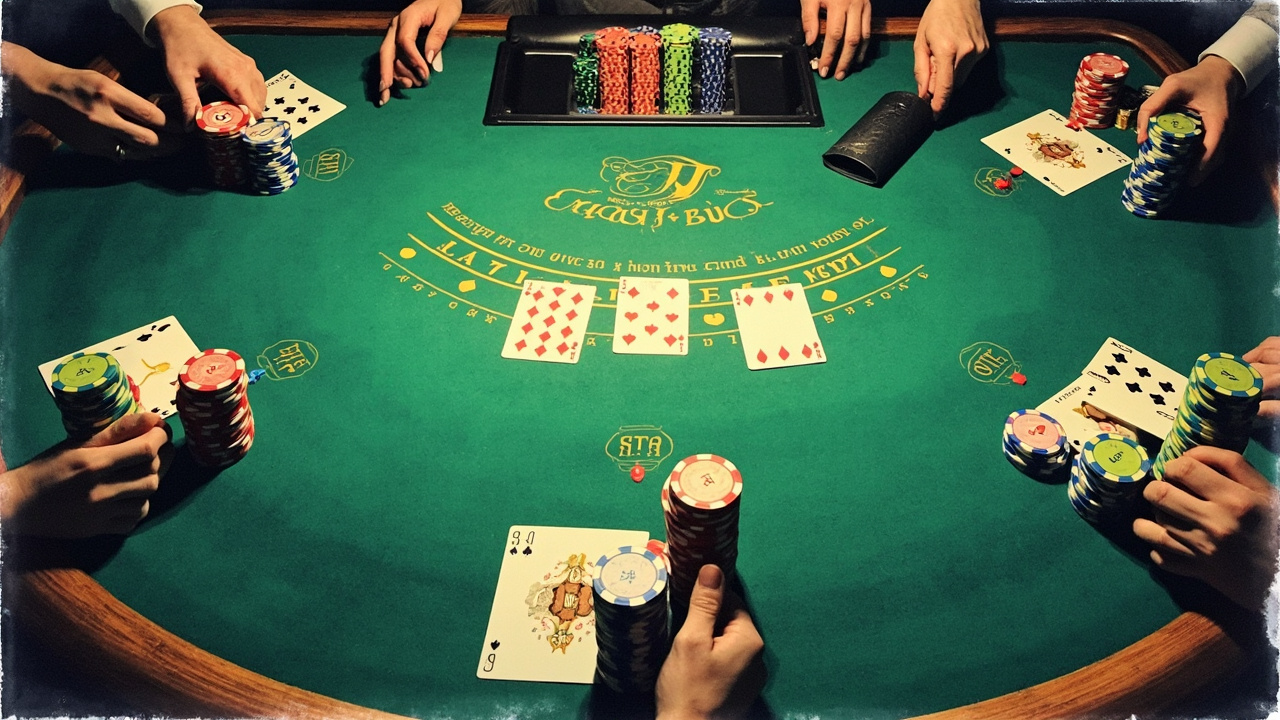
Your balance on the table is not your money in hand. Australian casinos tightened source-of-funds checks after the inquiries, and that means the numbers you see online have to line up with how cash actually moves in and out. Treat the display like a receipt, not a promise. If the screen shows a figure that looks odd, stop and read the fine print before you chase it.
Coins and credits are cousins, not twins. A credit can sit on the screen while a coin value does the real work behind the curtain. Say you deposit fifty dollars and the machine sets one credit equal to one cent; suddenly your balance looks huge and your bet looks tiny. That gap is where bad decisions live. Check the coin value first, then the credit count, then the bet per line. The order matters more than the total.
What the AUD tag actually tells you
The AUD tag means the house is showing you Australian dollars, not some other currency doing the heavy lifting. It does not mean every line item is already converted to your pocket. A bonus can sit in a different unit, a wagering requirement can sit in a different time frame, and a withdrawal can sit in a different queue. Read the tag as a label, not a guarantee. If you want a second opinion on the games themselves, look at games in free online pokies wheres the gold and compare the paytables before you put cash in.
Why budget players get burned first
Small balances punish sloppy reads faster than big ones. A ten-dollar session can vanish on a misread line bet just as quick as a hundred-dollar session on a bad run. Oliver Smith, Head of Analytics, Banksia Betting Partners, puts it straight: “A display that looks generous can still be expensive if the per-credit value is buried.” He also notes that “players who track the coin value, not the credit count, keep their sessions alive longer.” You do not need a spreadsheet. You need a habit.
The retail lesson for your own ledger
You would not buy a flat screen without checking the specs, and you would not trust a price tag at a local shop without asking what is included. Noah White, Product Analytics Lead, Oceanic Gaming Strategy, says the same discipline applies here: “Players who treat the display like a product spec sheet, not a billboard, make fewer costly mistakes.” He adds that “a quick read of the paytable and the coin value beats a long stare at a big number every time.” Keep your own ledger. Write down deposits, writes off withdrawals, and compare the two at the end of the week.
How to read the display without getting played
Start with the unit. Find the coin value, the credit count, and the bet per line before you touch the buttons. Then check the paytable and the bonus terms, because a big screen number can hide a small real payout. If anything looks fuzzy, pause and read the terms rather than guessing. You can also compare the layout to a familiar retail site like a local retail business where the price and the inclusions sit side by side, because the same habit stops you from buying blind. When the footy season turns and the conversation shifts to the AFL subreddit, you will notice people argue over form and fixtures; treat your own display the same way and argue with the numbers before you bet on them.
- Read the coin value before you read the credit total, because the credit count can look large while the real stake stays small.
- Check the bet per line and the number of active lines, since both multiply the actual cost of one spin.
- Look for the AUD label and confirm whether bonuses, free spins, or wagering amounts use the same unit or a different one.
- Compare the paytable to the displayed balance so a big number does not hide a low payout per hit.
- Keep a simple note of deposits and withdrawals for the session, because a clean ledger exposes a messy display faster than memory does.
A myth says a big screen balance means a big win waiting. It does not. The display can be generous-looking and still pay thin, because the unit, the multiplier, and the terms do the real work. Several Atlantic City casinos have opened, closed and reopened over the years, and the lesson carries over: a shiny front can hide a shaky floor. You are not here for the shine. You are here for the read.
Keep your eyes on the unit, your hands off the chase, and your ledger close. Treat every number on the screen like a line item you would question at a shop counter, because that is the only way a budget session stays a budget session.
Comments are closed